🌙 Dos and Don’ts During Ramadan: A Guide for a Blessed Month
Ramadan is not just a time to abstain from food and drink; it is a month of r...
Feb 18, 2026
Education experts warn of socioeconomic risks of restricting cross-border student mobility, research collaborations, and access to learning
Joanna Hindo, Dec 08, 2025
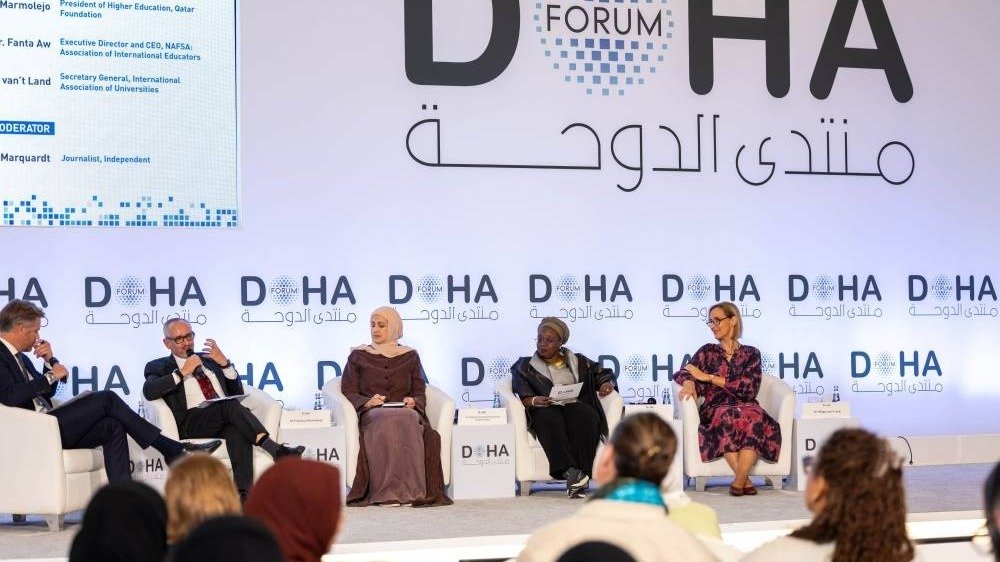
The risks that geopolitical tensions and the rise of nationalism pose to education’s ability to forge vital international ties have been explored by experts from Qatar and around the world through a session led by Qatar Foundation at Doha Forum 2025.
A panel discussion titled ‘Education Diplomacy in a Fractured World’ spotlighted how Qatar Foundation’s (QF) unique ecosystem of education – which includes branch campuses of seven international partner universities – illustrates how enduring educational collaborations that span borders and continents can forge closer links between nations, through student mobility and cultural and knowledge exchange.
However, amid turbulent geopolitical times, the session also warned of the dangers of placing increased restrictions on student mobility, international research collaborations, and access to education for marginalized communities. Panelists shared their perspectives on the role of universities, policymakers, and educators in safeguarding education diplomacy, and its benefits for socioeconomic development and global dialogue.
Speaking during the session, Francisco Marmolejo, President of Higher Education and Education Advisor, QF, said: “We are extremely proud of the fact that around 50 percent of students in our higher education ecosystem at Qatar Foundation are international students, and they are able to experience education diplomacy daily.
“But worldwide, around 97 percent of students will not have this opportunity. Our challenge is how we make sure the benefit of education diplomacy – which allows to see the reality of others through our own lenses – is made available to as many students as possible, and more of the world’s youth have the opportunity to access higher education.
“Unless these challenges are addressed by higher education on a global scale, the impact of education diplomacy – the ability of a student to travel from one country to another in order to learn - will be marginalized. As educators, we do not have to convince ourselves about the importance of this; the challenge is to convince wider society.”
Her Excellency Sheikha Dr. Hessa bint Hamad bin Khalifa Al Thani, Chairperson and Founder, The Center for Wellbeing, told the discussion: “We are all one universal self – we are given spirituality, a heart to feel, a mind to think, a body to act, and a society to build.
“For us to truly convince policymakers of the importance of education diplomacy, and for disruption to be an opportunity, it’s important that we authentically, holistically measure how we can unleash the potential of people – that we no longer simply measure the success of a country through its GDP, and go beyond this by measuring what makes people unique and how they contribute to society.”
According to Dr. Hilligje van’t Land, Secretary General, International Association of Universities, who also participated in the panel discussion: “When you close your doors to innovation, you close your doors to opportunities to connect knowledge systems, to connect with people who will look at what you do through a critical lens that allows us to move, together, toward a better society.
“People have moved around the world for centuries. If you don’t do that, then where do you go? The journey that comes from traveling to a different place is so important – much more important than simply how long it may take to get a diploma.”
And Dr. Fanta Aw, Executive Director and CEO, NAFSA: Association of International Educators, said: “We need to continue to provide evidence-based advocacy for the purpose and the mission of higher education – to figure out how we tell our stories better. And sometimes, the advocates and the storytellers need to be those who are the beneficiaries of our education systems.
“The lost opportunity that stems from youth not being able to access education is not just a loss to them and to their community; it’s a loss to society as a whole. More and more countries have come to understand that multilateral partnerships, not just bilateral partnerships, are needed. But the best thing we can do is stay focused on people-to-people exchanges and connections, because these will outlast political cycles.”
During Doha Forum 2025, Georgetown University in Qatar – one of QF’s international partner universities – is hosting a Palestine-focused discussion examining topics including the extent to which the voices of Palestinians are being allowed to help shape the future of their country, and how, amid constrained political horizons for Palestinians, civil society and grassroots movements can connect with political agency.
QF’s Doha Debates and Foreign Policy magazine hosted a special live episode of their podcast The Negotiators during the forum, where Prince Zeid Ra’ad Al Hussein, President and CEO of the International Peace Institute, and Yale University lecturer Robert Malley discussed their careers as negotiators and the prospect of peace between Palestine and Israel.
And QF-founded QatarDebate is partnering with the United Nations Institute for Training and Research (UNITAR) to offer a masterclass in cross-cultural negotiation skills, where participants have the opportunity to gain practical guidance on recognizing and bridging cultural differences, finding empathy through active listening, and managing emotional and social dynamics in culturally diverse settings.
Ramadan is not just a time to abstain from food and drink; it is a month of r...
Feb 18, 2026
Fasting during Ramadan is both a spiritual and physical commitment. Maintaini...
Feb 18, 2026
– يواصل معرض المرأة العربية الرابع عشر استقطاب اهتمام واسع من الزوار في مركز...
Feb 19, 2026
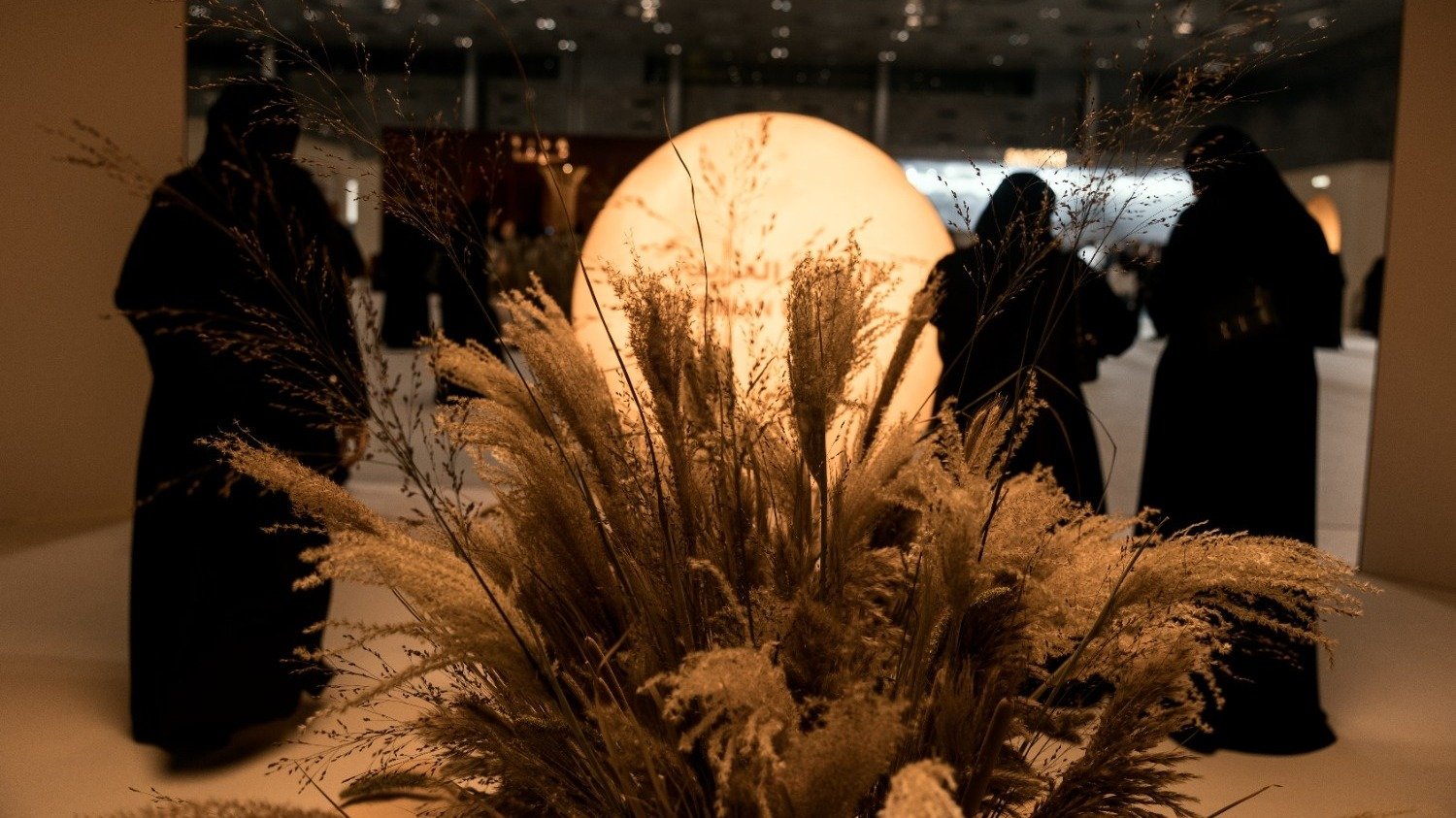
The Largest and Most Prestigious Showcase in the Region Highlighted 250 Femal...
Feb 19, 2026

المعرض الأكبر والأفخم على مستوى المنطقة يسلّط الضوء على 250 سيدة أعمال في مركز...
Feb 19, 2026
Subscribe to our newsletter !
Feb 24, 2026
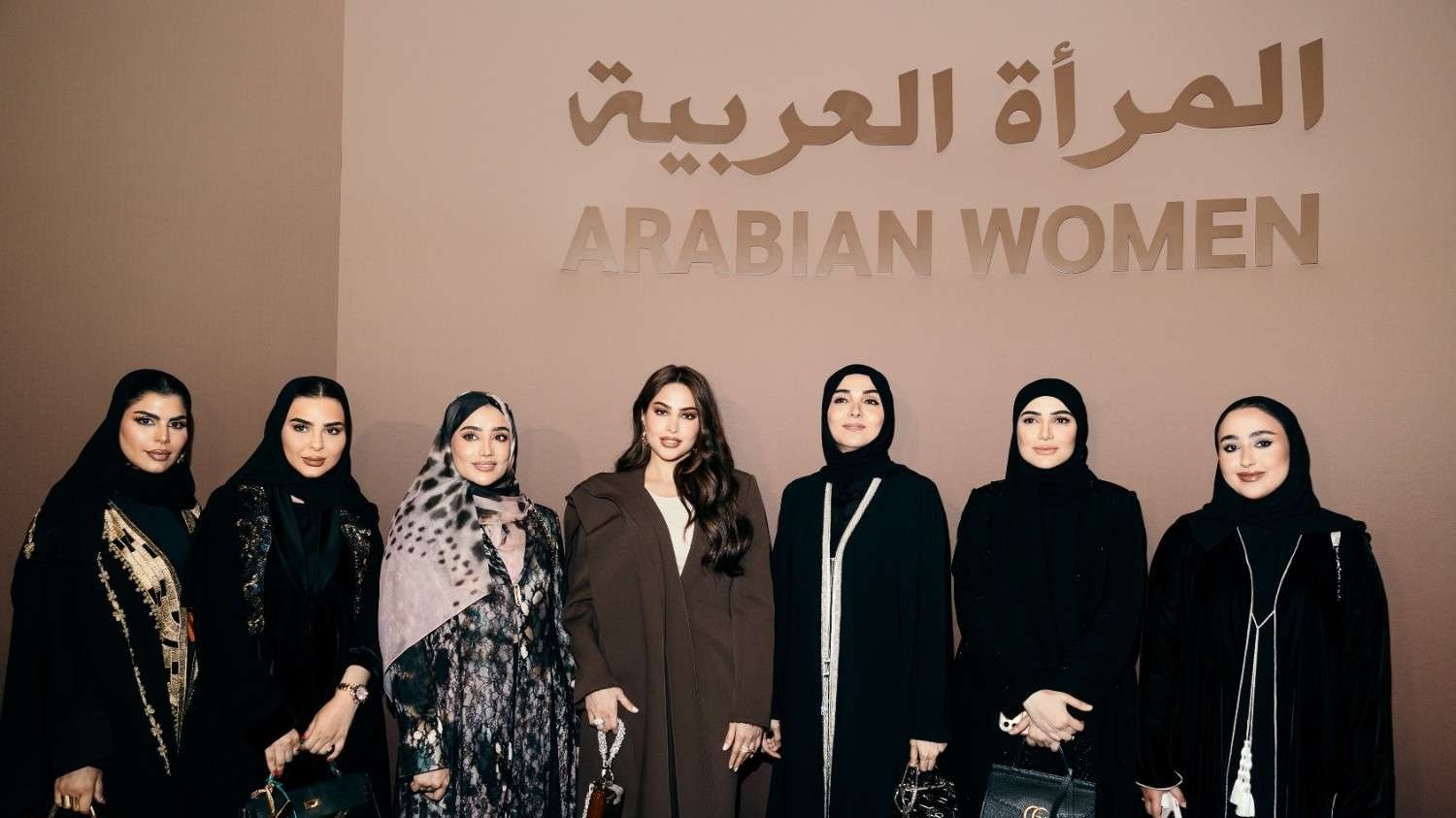
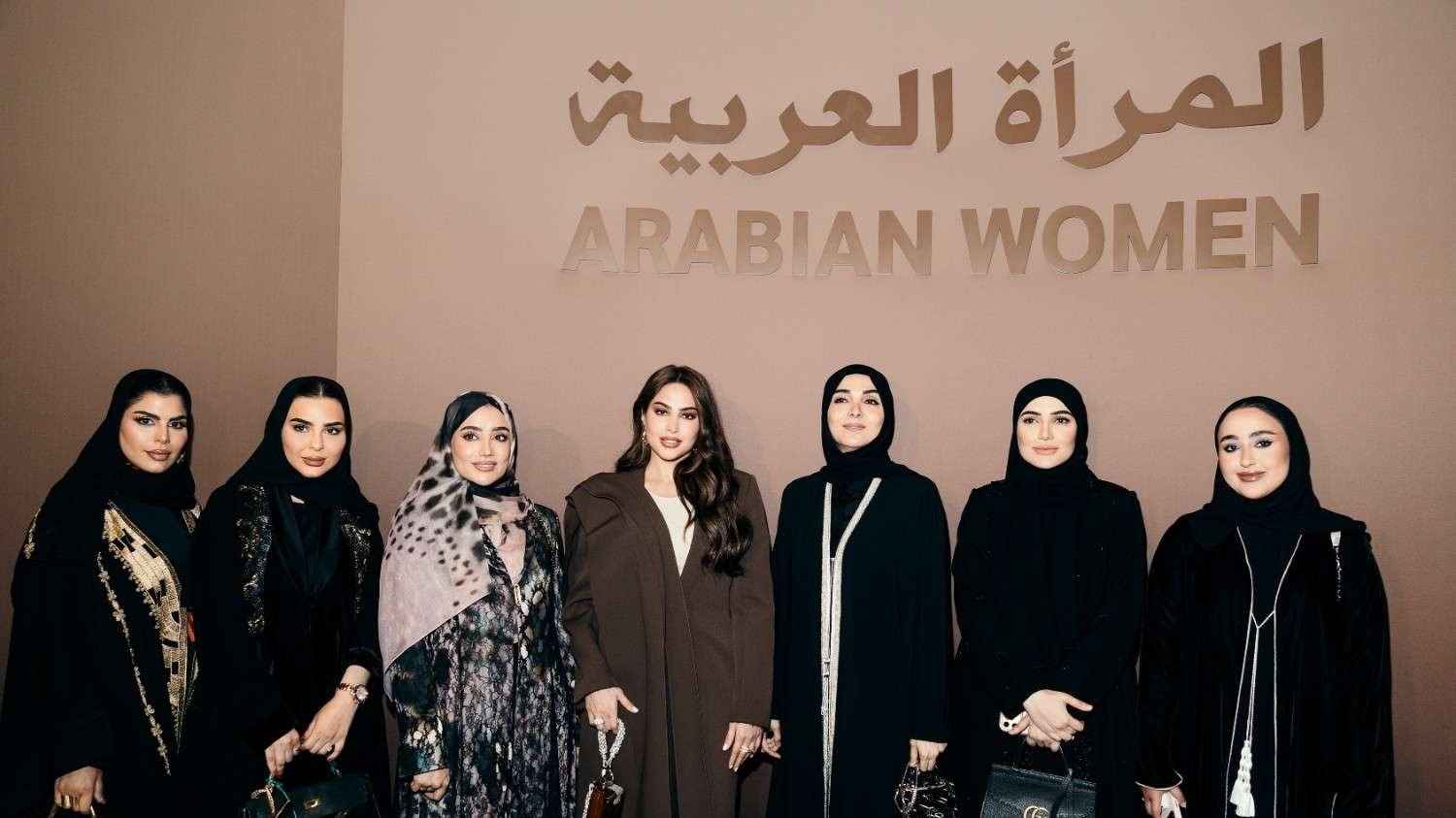
The 14th Arabian Women Exhibition continues to draw strong visitor interest a...
Feb 19, 2026
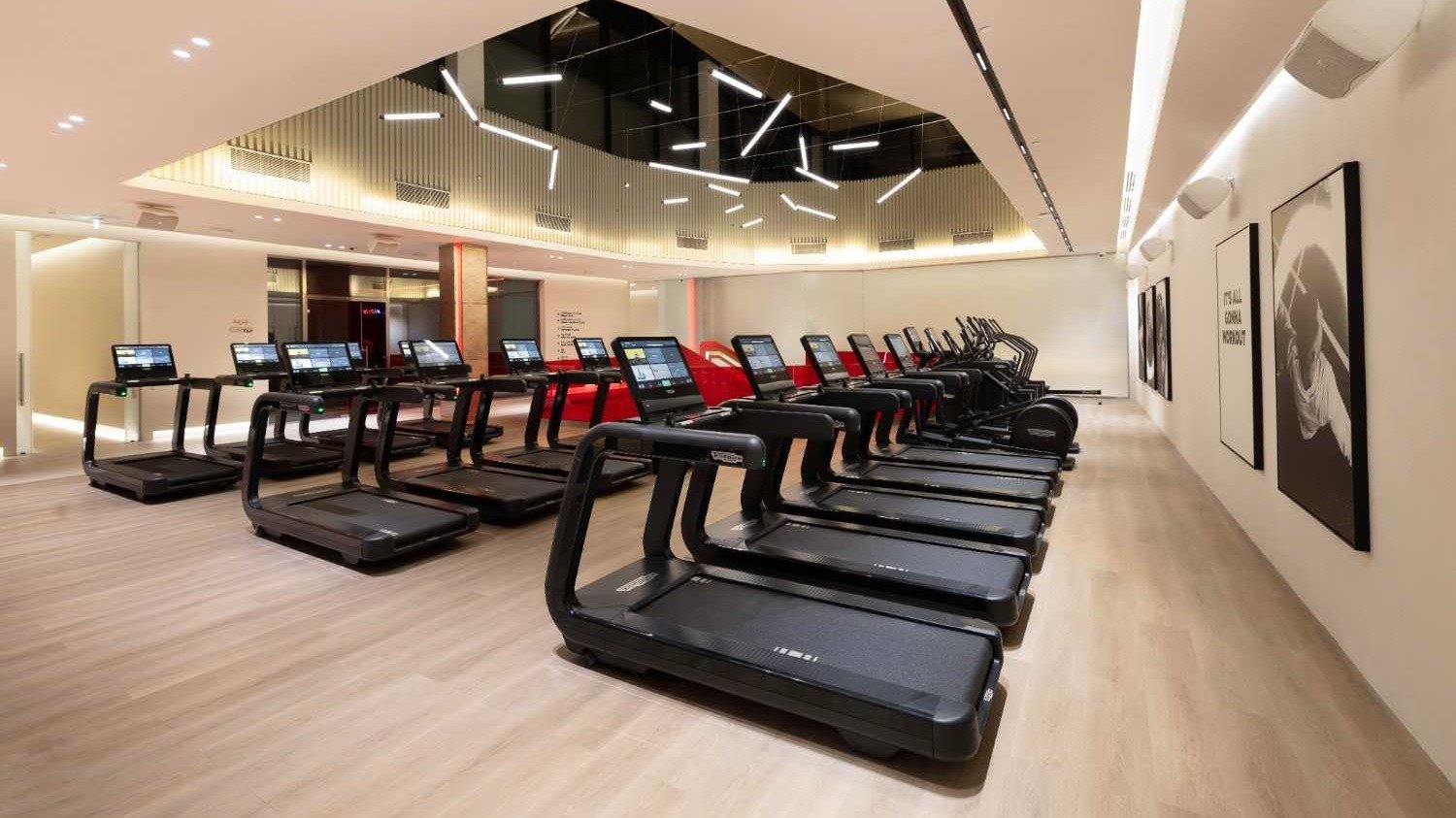
• Dean Kowarski, Global CEO of Virgin Active, highlights the brand’s vision a...
Feb 15, 2026
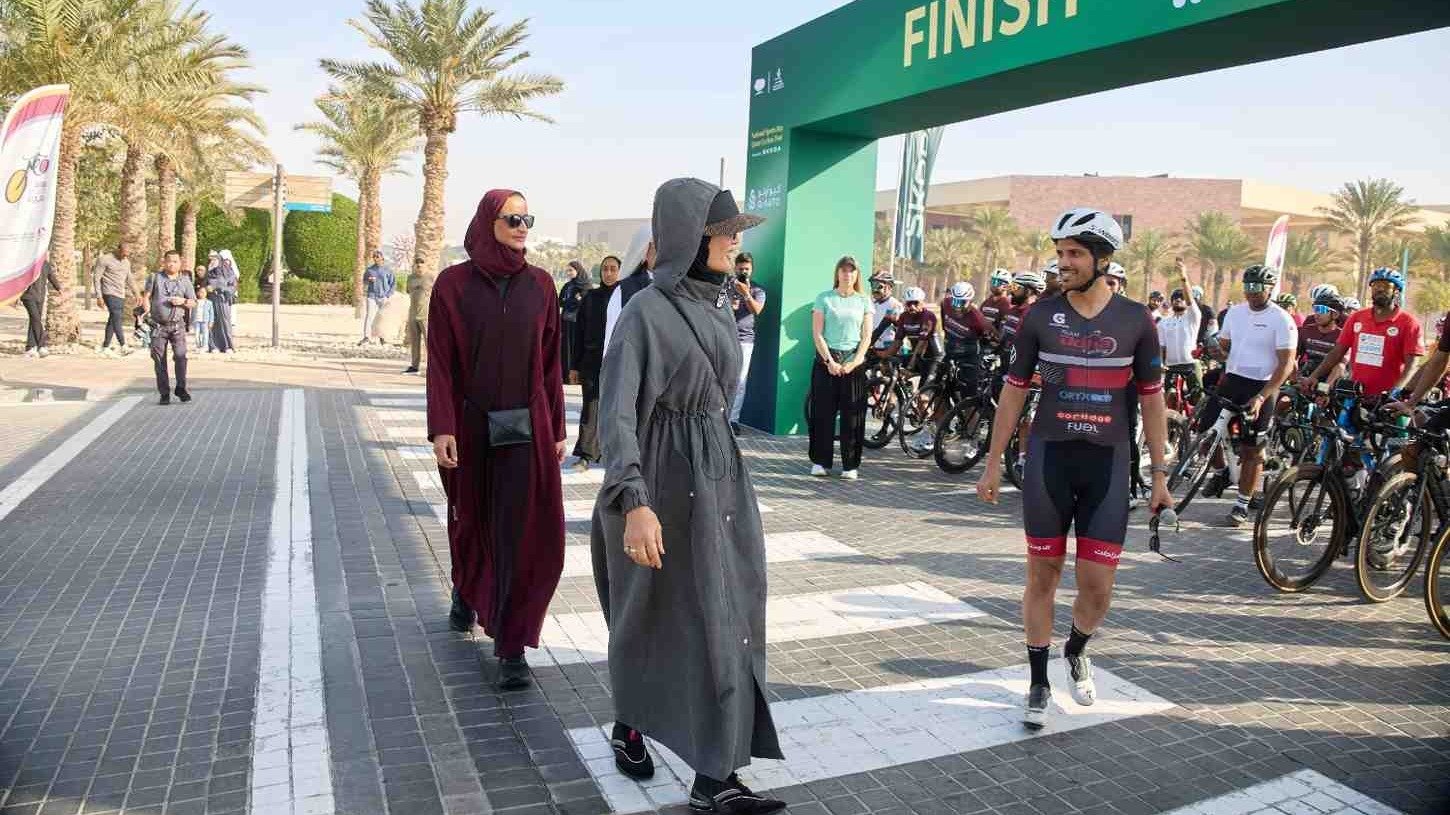
During the world-record-breaking “Largest Sports Arena (Temporary)” celebrati...
Feb 11, 2026
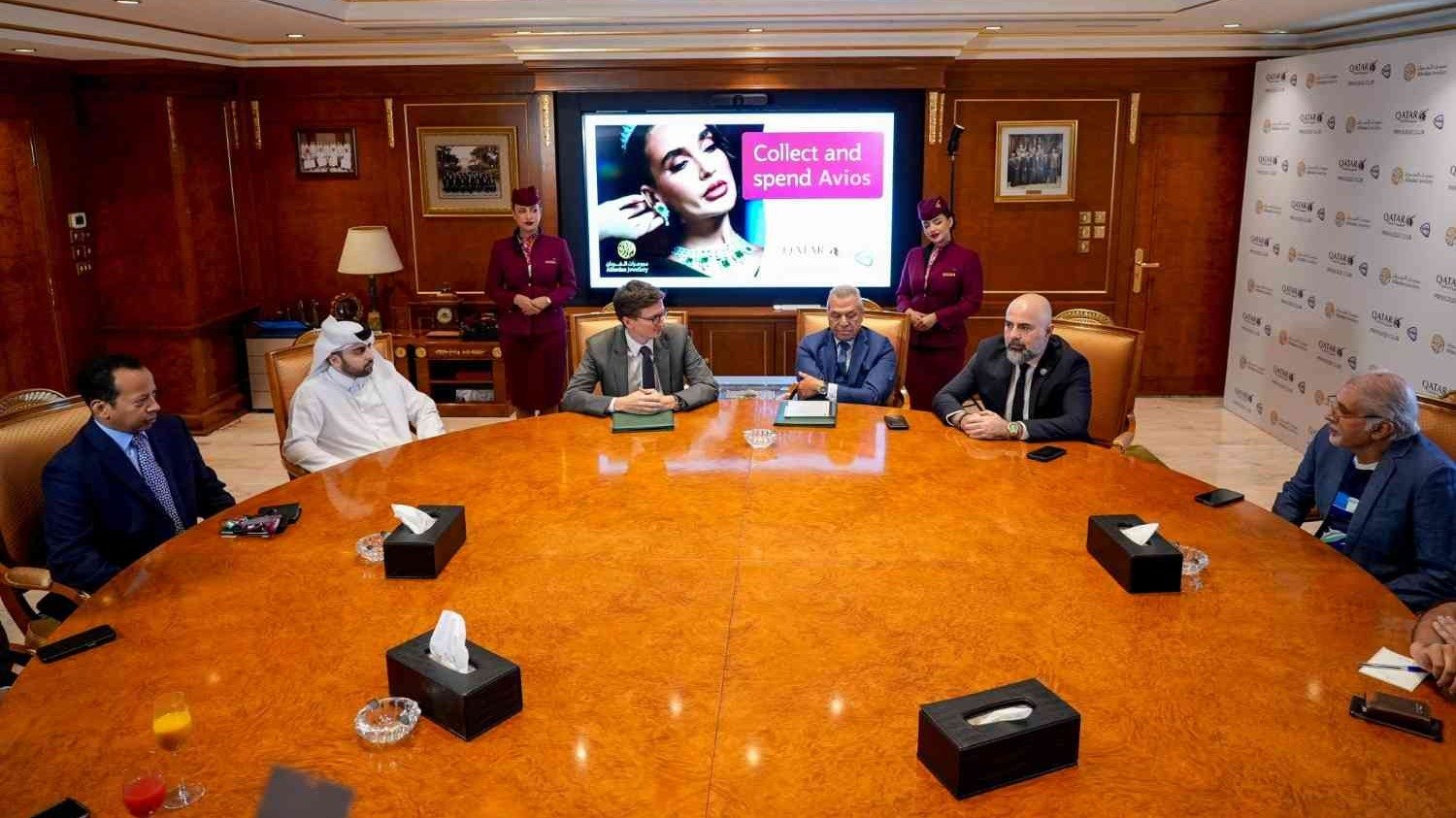
Exclusive collaboration introduces seamless Avios collecting and spending at...
Feb 11, 2026
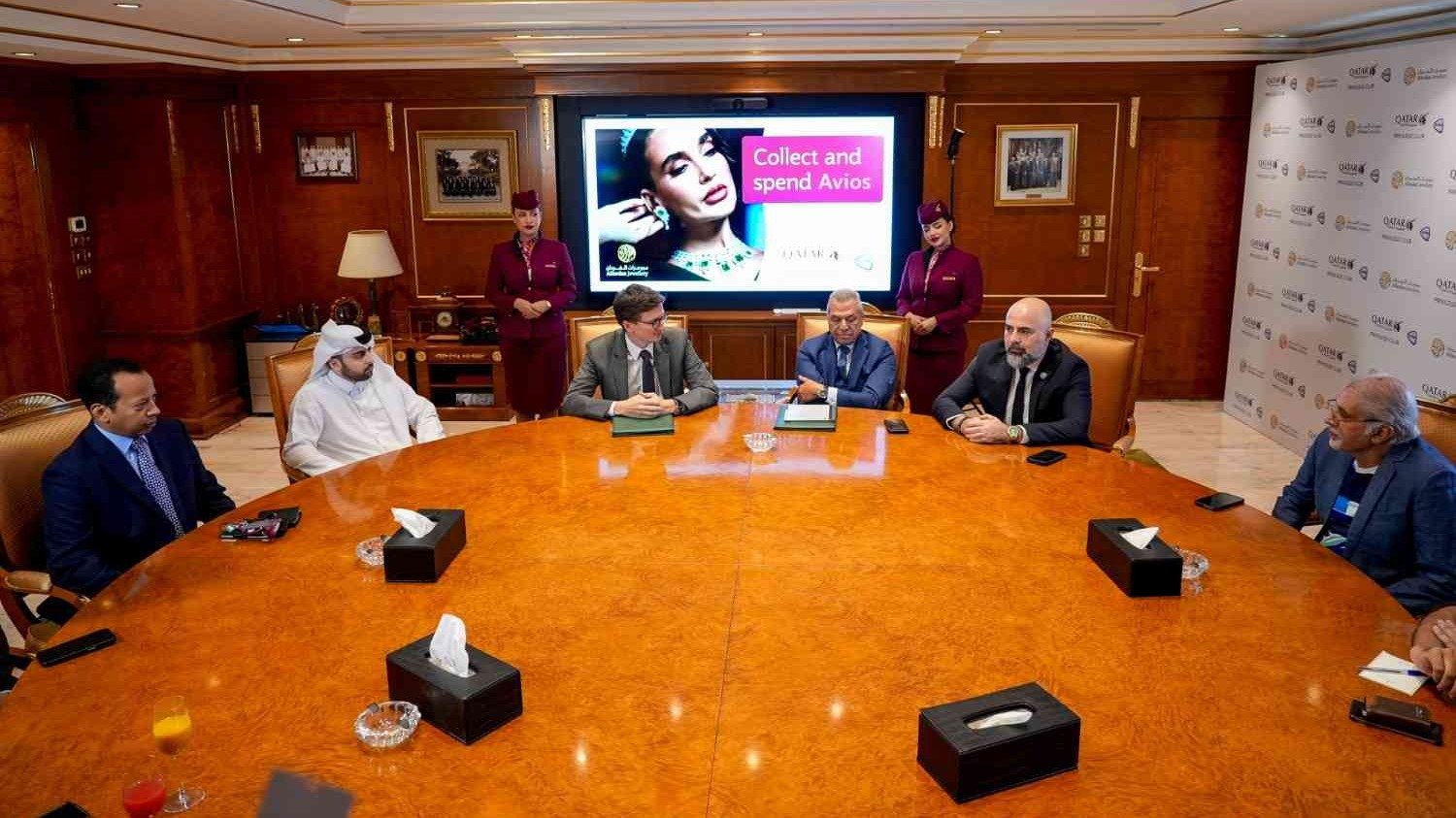
تُتيح هذه الشراكة الحصرية للعملاء جمع نقاط أفيوس عند التسوق من أي من فروعها، ل...
Feb 11, 2026