Al Abdulghani Motors Introduces the Motorsport-Inspired GR Corolla...
Motorsport-bred engineering prioritizes power, driver response, and control
Apr 13, 2026
Understanding the Contrasting Festivals
Maribel Saad, Mar 26, 2024

While both Eid al-Fitr and Eid al-Adha are significant Islamic holidays, they have distinct meanings, practices, and significance in the Islamic calendar. Eid al-Fitr, also known as the Lesser Eid, is celebrated at the end of Ramadan and marks the breaking of the month-long fast with prayers, feasting, and festivities. It is a time of joy, gratitude, and spiritual renewal as Muslims express thanks for the strength and blessings gained during Ramadan.
On the other hand, Eid al-Adha, known as the Greater Eid or the Festival of Sacrifice, commemorates the willingness of Prophet Ibrahim (Abraham) to sacrifice his son as an act of obedience to God. The holiday honors Ibrahim's devotion and God's mercy, emphasizing themes of sacrifice, faith, and submission to divine will. Muslims celebrate Eid al-Adha by performing the Eid prayer, sacrificing an animal (usually a sheep, goat, or cow) as a symbolic act, and sharing the meat with family, neighbors, and those in need.
While both Eids involve prayer, feasting, and acts of charity, Eid al-Fitr focuses more on the joy of breaking the fast and celebrating the end of Ramadan, while Eid al-Adha emphasizes sacrifice, obedience, and spiritual reflection. Together, these two Eid festivals play an essential role in the Islamic calendar, embodying core values of faith, community, and devotion.

Motorsport-bred engineering prioritizes power, driver response, and control
Apr 13, 2026
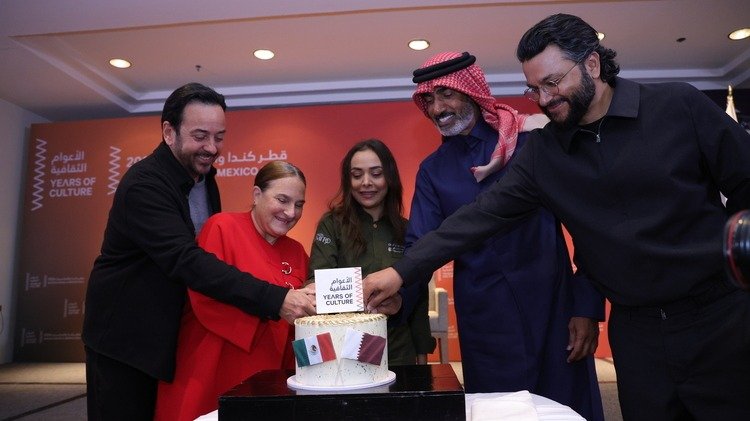
In just over three months, the Years of Culture partnership with Canada and M...
Apr 13, 2026

As the Singapore Yachting Festival (SYF) approaches, the spotlight once again...
Apr 13, 2026
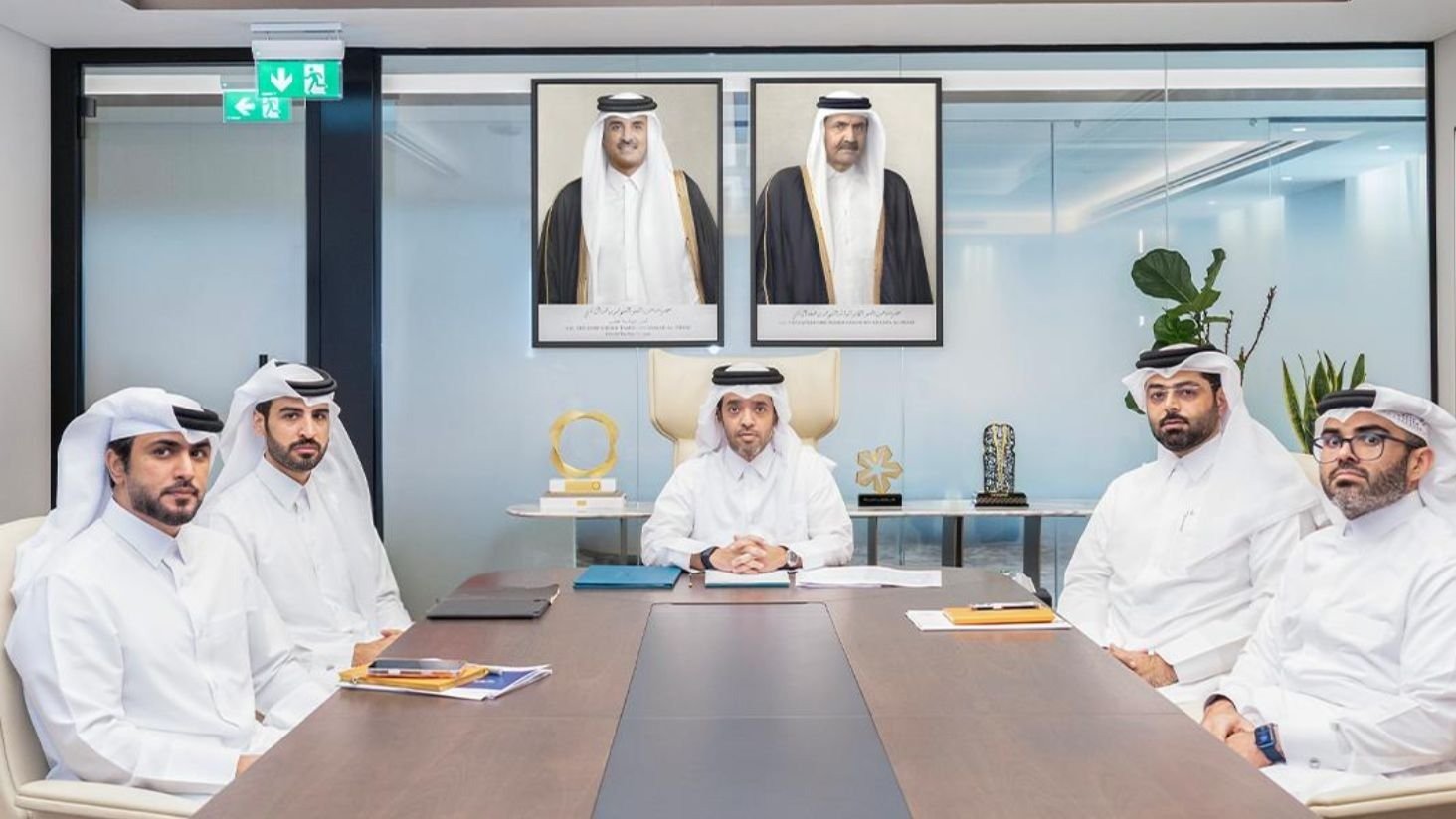
H.E. Mr. Saad bin Ali Al Kharji, Chairman of Qatar Tourism, participated in a...
Apr 08, 2026
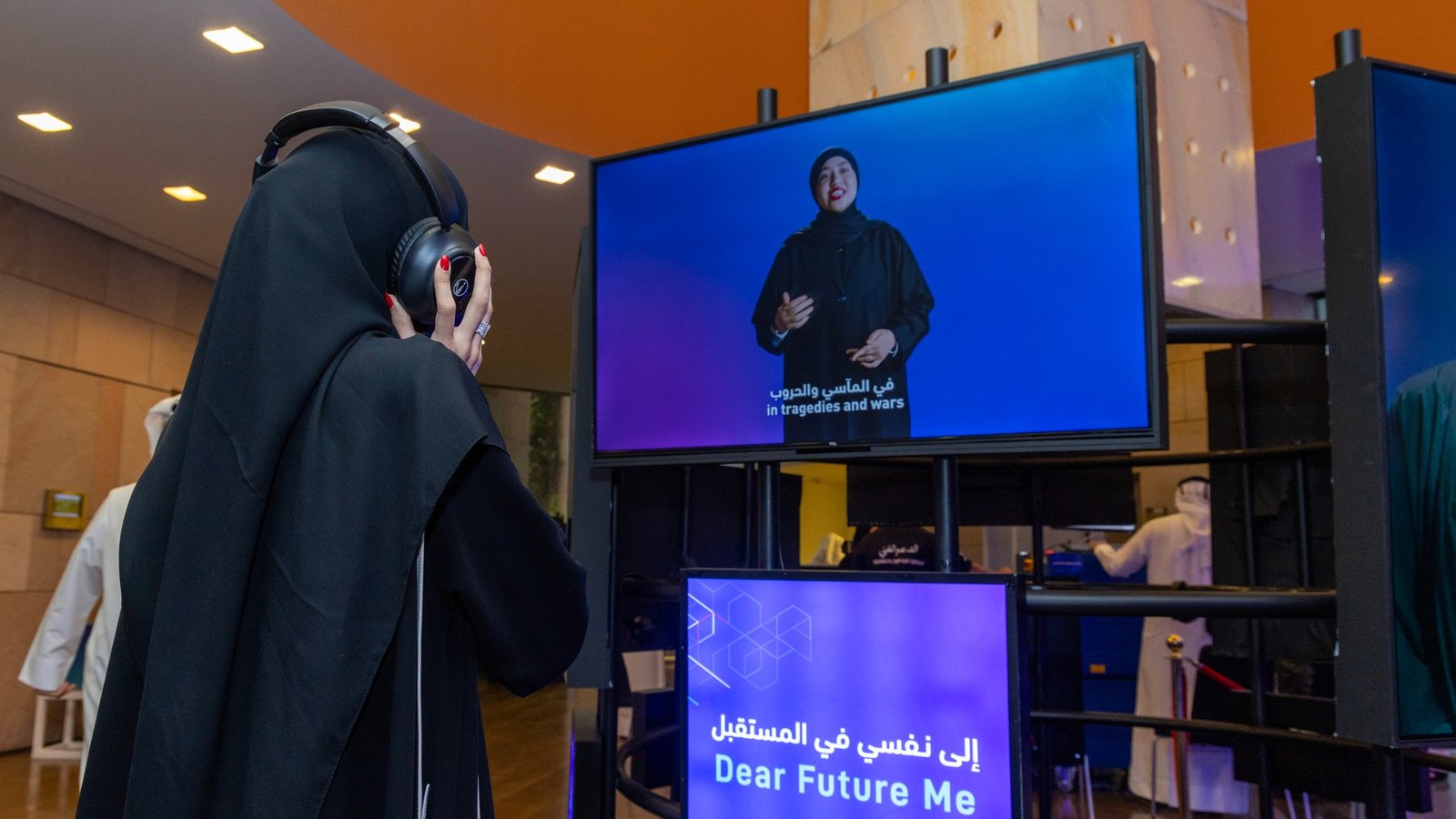
Akhlaquna Day celebrates initiatives that promote human values and social res...
Apr 08, 2026
Subscribe to our newsletter !
Apr 13, 2026
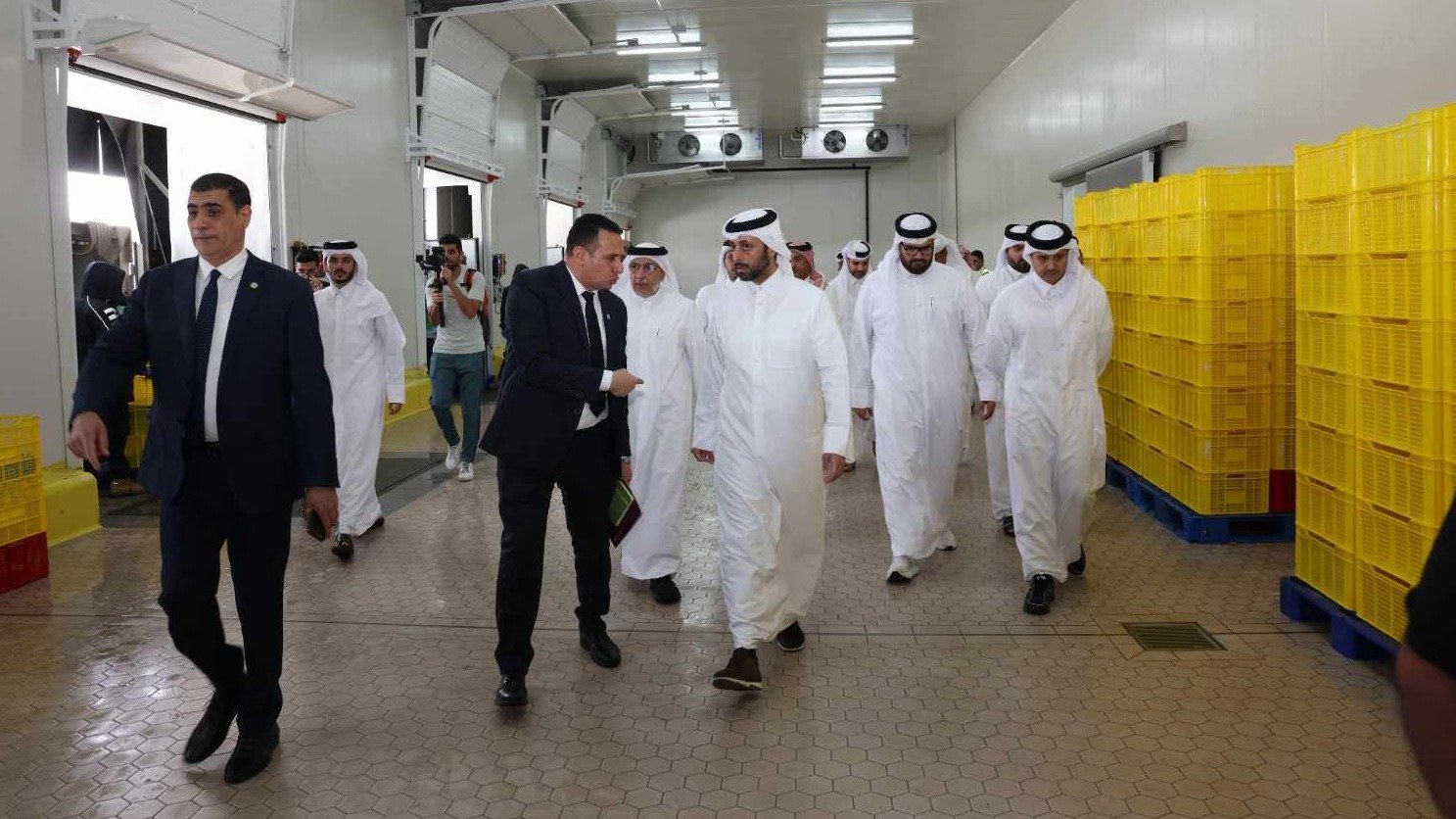
His Excellency Abdullah bin Hamad bin Abdullah Al Attiyah, Minister of Munici...
Apr 05, 2026
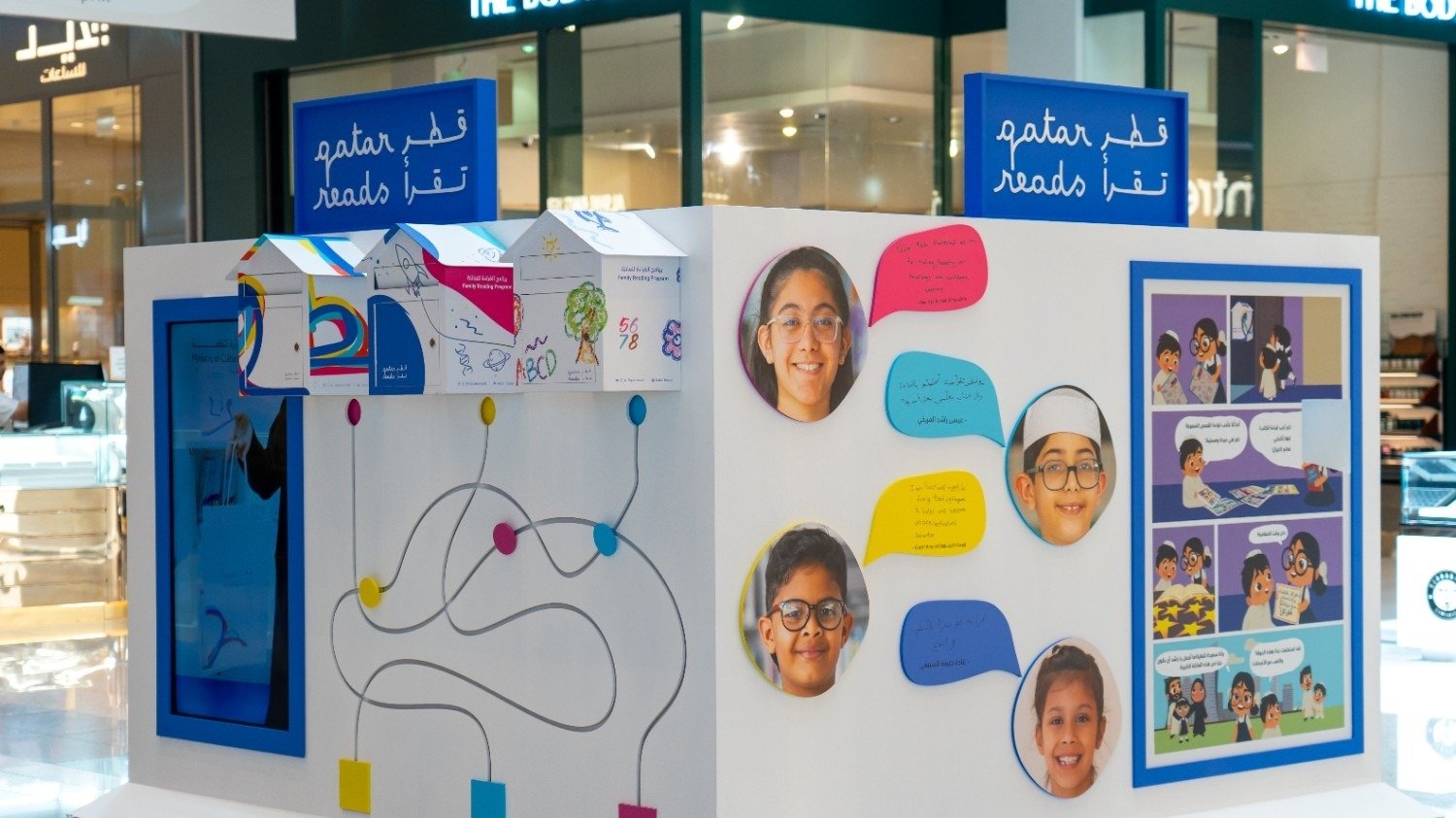
Qatar Reads, an initiative under Qatar National Library dedicated to fosterin...
Apr 02, 2026
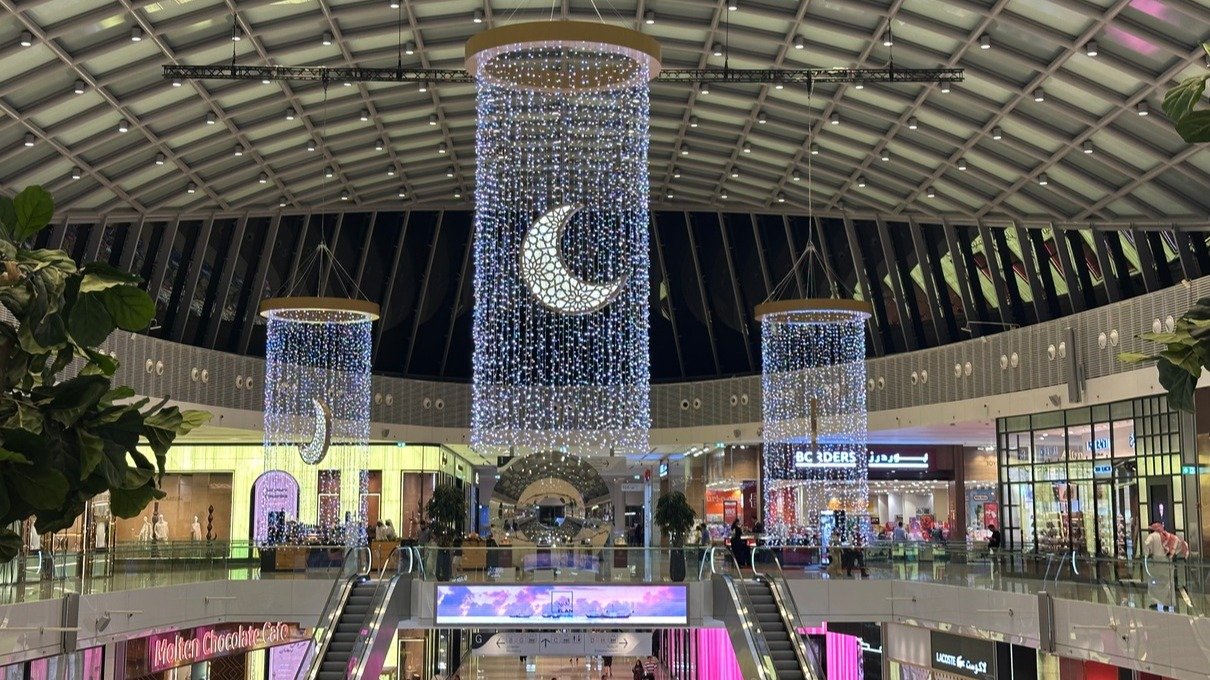
Doha Festival City, Qatar’s leading retail and lifestyle destination known fo...
Mar 31, 2026
Ramadan is not just a time to abstain from food and drink; it is a month of r...
Feb 18, 2026
Fasting during Ramadan is both a spiritual and physical commitment. Maintaini...
Feb 18, 2026