Years of Culture Brings Qatar Museums’ Video Art and Film Exhibitio...
The first Latin American presentation of Your Ghosts Are Mine: Expanded Cinem...
Aug 06, 2026

Fasting during Ramadan is both a spiritual and physical commitment. Maintaining steady energy, proper hydration, and balanced meals can make the experience more sustainable and beneficial throughout the month.
Joanna Hindo, Feb 18, 2026

Thoughtful preparation and mindful eating habits play an important role in supporting overall well-being while fasting.
1. Prioritize a Balanced Suhoor
The pre-dawn meal (suhoor) provides the fuel needed for the day ahead. Skipping it or choosing low-quality foods can lead to early fatigue and dehydration.
Recommended components:
Complex carbohydrates: oats, whole-grain bread, brown rice
Protein sources: eggs, Greek yogurt, cottage cheese, beans, lentils
Healthy fats: nuts, seeds, avocado
Hydrating foods: fruits such as watermelon, and vegetables like cucumber
Meals that include protein and fiber digest more slowly, helping maintain stable energy levels throughout the day. Highly processed or sugary foods may cause energy crashes before midday.
2. Hydrate Strategically
Since fluids cannot be consumed during daylight hours, hydration between iftar and suhoor is essential.
Helpful guidelines:
Drink water gradually throughout the evening rather than all at once
Aim for several glasses between iftar and suhoor
Limit caffeinated beverages, as they may increase fluid loss
Include water-rich foods such as soups, fruits, and yogurt
Proper hydration helps reduce headaches, fatigue, and difficulty concentrating during the fast.
3. Break the Fast Gently
It is traditional to break the fast with dates and water. Dates provide natural sugars that quickly restore energy, while water begins rehydration.
After this initial step, a balanced meal is ideal:
Lean protein: chicken, fish, legumes
Complex carbohydrates: rice, quinoa, whole grains
Vegetables: for fiber and essential nutrients
Moderate healthy fats
Eating slowly and avoiding oversized portions can help prevent discomfort and sluggishness.
4. Foods That Support Sustained Energy
Certain foods are especially beneficial during Ramadan:
Eggs: rich in protein and filling
Oats: provide slow-releasing energy
Nuts and seeds: supply healthy fats and minerals
Greek yogurt: combines protein and hydration
Leafy greens: offer important vitamins and minerals
Dates: a traditional and effective source of quick energy
Including a variety of these foods throughout the month can help maintain nutritional balance.
5. Maintain Healthy Sleep Patterns
Ramadan often shifts sleep schedules due to early suhoor and evening prayers. Prioritizing rest when possible helps support energy and mood. Short naps and consistent sleep times can help offset changes in routine.
6. Be Mindful of Sweets and Fried Foods
While festive meals are part of the Ramadan experience, frequent consumption of sugary desserts and fried dishes can contribute to fatigue and digestive discomfort. Moderation supports better overall energy and well-being during fasting days.

The first Latin American presentation of Your Ghosts Are Mine: Expanded Cinem...
Aug 06, 2026

Novikov Doha Joins Lusail International Circuit Hospitality for the Formula 1...
Aug 06, 2026

How QF’s Mukhayamna summer camp is helping children find confidence, friendsh...
Aug 05, 2026
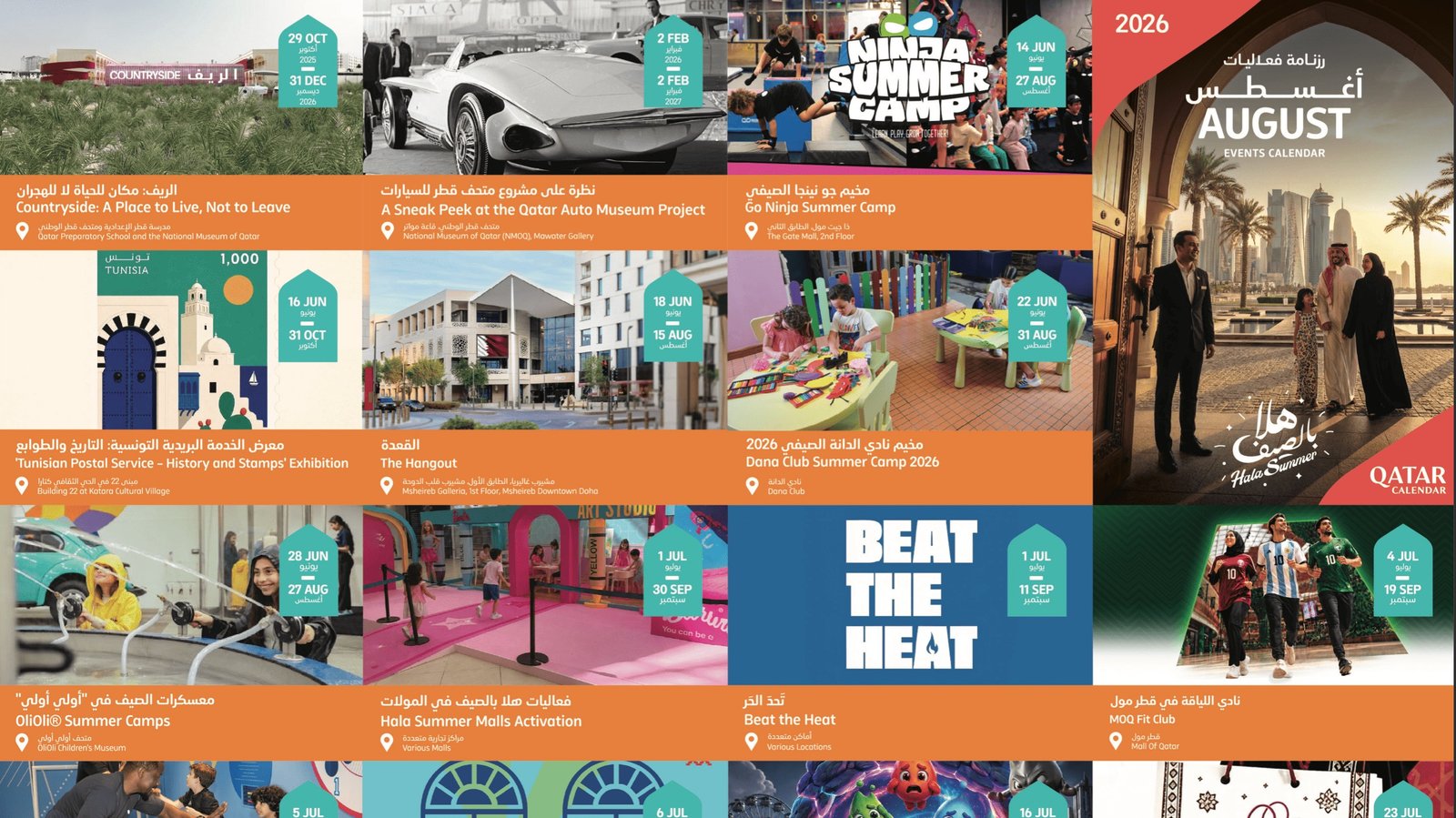
Qatar Calendar presents a full programme of events
Aug 03, 2026

The Qatar Goodwood Festival presented by Visit Qatar concluded after a week o...
Aug 03, 2026
Subscribe to our newsletter !
Aug 09, 2026

Qatar Tourism has announced that the Hayya platform has been awarded Silver
Aug 03, 2026

Fans across the Middle East and North Africa set a new record as 245.4 millio...
Aug 03, 2026

The Qatar Goodwood Festival presented by Visit Qatar continued with world-cla...
Aug 02, 2026

The Group 1 Qatar Nassau Stakes featured a competitive field of high-quality...
Aug 02, 2026

The Group 2 Visit Qatar King George Qatar Stakes featured a competitive field...
Aug 02, 2026